
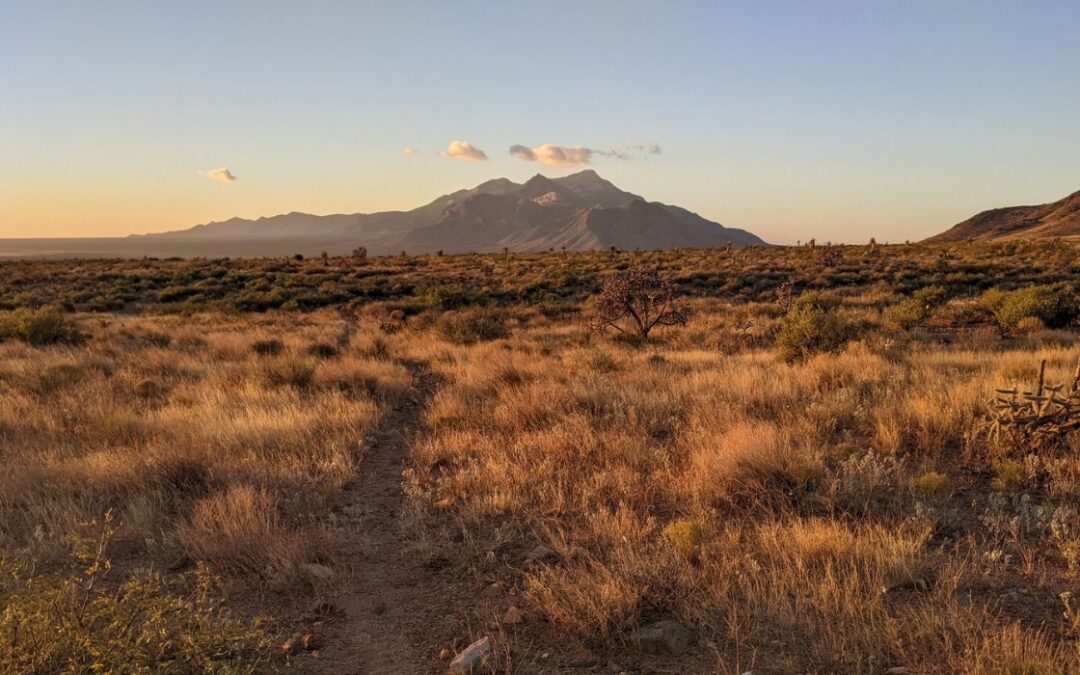
Planning a 3,100-mile journey across the Backbone of the Continent is an exercise in high-stakes logistics and grit. While the trail remains a beacon for the long-distance community, 2026 is not business as usual on the Divide. Whether you’re a NOBO aiming for the bootheel or a SOBO eyeing the Canadian border, the landscape — both physical and logistical — has changed.
This article distills the most critical updates from the Continental Divide Trail Coalition’s (CDTC) 2026 Info Essentials Update held on Feb 19, 2026. You can watch the full session recording here.
While this article covers the newest developments, hikers are strongly encouraged to watch the 2024 webinars (Part 1 and Part 2) for the foundational knowledge that remains the bedrock of a successful thru-hike.
1. The Southern Terminus is Now a National Defense Area
In April 2025, the Bureau of Land Management transferred control of over 100,000 acres of the New Mexico borderlands to the US Army for a three-year period. This area is now designated as the New Mexico National Defense Area (NDA).
Logistically, this means the southernmost 1.1 miles of the CDT, including the iconic obelisk monument, are now located within an active Army installation. Hikers wishing to start/end at the Southern Terminus or walk those final miles must now apply for a permit from the US Army at Fort Huachuca. CDTC is not involved with this permitting process.
Whether you choose to enter the NDA is a personal decision and will not affect your CDT completion certificate.
Visit the CDT Southern Terminus page for the resources and the latest update regarding access to the NDA and southern terminus.
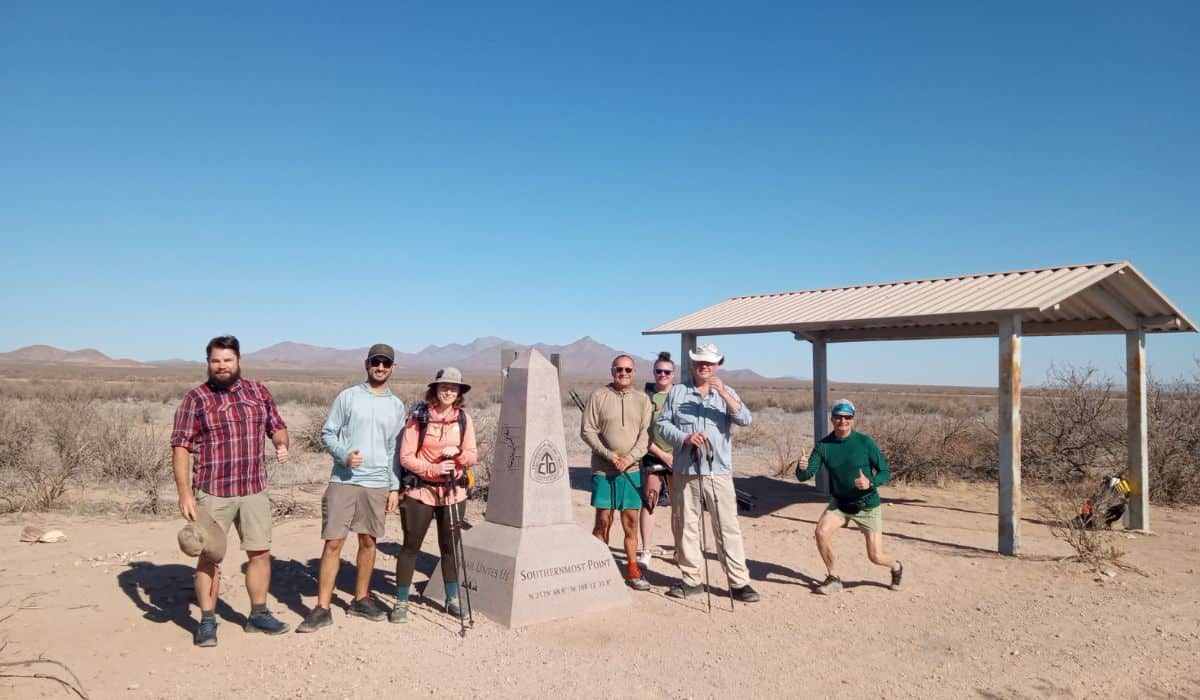
Hikers gather at the CDT’s Southern Terminus monument in New Mexico’s bootheel. Access to the monument now requires a permit from the U.S. Army.
2. Border Barrier Construction Has Begun
The physical environment of the bootheel is changing rapidly. Construction contracts have been issued for a new border barrier, and some roads near the terminus have already been graded for heavy machinery.
We know there may also be potential changes to the location or status of the Southern Terminus monument that people often see in photos of the CDT.
Under federal authority, the Administration has waived environmental and scenic reviews, including the National Trail System Act, allowing construction to proceed without public input. CDTC is working to raise awareness and understanding of what is happening with our partners and elected officials.
Lodging options may be more limited than typical due to an increase of construction contractors staying in Lordsburg. Be sure to book accommodations in advance if you wish to stay in Lordsburg.
For more information, visit our Action Center and subscribe to our Action Alerts.

The 2026 Leave No Trace Trail Kit: hikers who earn their certification can claim gear from CDTC partners including CNOC Outdoors and Kula Cloth.
3. 2026 is the Year of the Purple Hang Tag and Leave No Trace Certification
The CDTC continues its voluntary registration process to gather visitor data and help manage trail impact. For 2026, the official hang tag color is purple.
A major push this year is the collaboration with Leave No Trace. We’re aiming for a 33% certification rate among hikers — one in every three trail users. The incentive? Hikers who upload their Leave No Trace certificate during registration can claim a free Trail Kit from CDTC partners (just pay shipping), including a CNOC Outdoors ThruBottle, a Kula Cloth antimicrobial towel, and more.
Ready to get Leave No Trace certified? Access the Backcountry Ethics course and submit your certificate on our Love the Trail campaign hub.

The CDT winds through Glacier National Park, where the reopening of Many Glacier restores critical route options for thru-hikers in 2026.
4. Glacier National Park: The Two Medicine Shift and Many Glacier’s Return
The large Two Medicine campground is closed for the 2026 season due to construction. However, the permit office at Two Medicine remains open — a critical detail for hikers walking in from East Glacier who need to secure backcountry permits.
The good news: Many Glacier is fully open again. This is a big deal for thru-hikers. Many Glacier is the junction where the two northern terminus routes diverge, and its reopening restores the permit itinerary flexibility that was missing during the construction years. Planning your route through the park’s northern reaches just got a lot easier.

A large wildfire burns in Colorado near the Divide in 2018. Fourteen of the 20 largest wildfires near the trail have occurred in the last 25 years.
5. Wildfires: A Shared Responsibility
The statistics are sobering: 14 of the 20 largest wildfires near the CDT have occurred in the last 25 years. This isn’t just a day-hiker problem — thru-hikers have been directly responsible for major fires on the Divide. With current snow levels running low across the corridor, expect elevated fire risk this season.
Danny Knoll, CDTC Trail Information Manager, shared a cautionary tale that should give pause to anyone who thinks a “small” campfire is harmless. He recounted a fire started by a smoldering root that traveled underground for days before surfacing yards away and igniting the forest.
“I once upon a time was a wildland firefighter… whoever started that fire probably thought they were doing a good thing… they probably had no idea they started that fire because it happened two to four days or so after they had left.”
We urge you to forgo campfires entirely. If you must have one, the standard “splash and dash” isn’t enough. You need to douse, stir, and feel for heat. Dig several inches beneath the ashes to make sure no heat is lingering in the root systems below, then feel again to confirm the ground is cool. A few extra minutes could prevent a catastrophe.

Sheep graze alongside a CDT trail marker — a reminder that you’re sharing the trail with the ranching communities who call these lands home.
6. Livestock Etiquette: Put the Umbrella Away
The CDT is a working lands trail. You are walking through the “office” of ranchers, livestock, and livestock guardian dogs. These dogs are not pets — they are working animals that often live among herds full time.
A specific point of friction is the flashy silver sun umbrella. While great for shade, these unfamiliar objects can easily spook cattle, horses, and sheep. When you encounter a herd:
- Stop and let the animals see you. Move slowly and predictably so they don’t see you as a predator.
- Put away silver umbrellas immediately.
- Keep pets leashed. Most negative interactions with guardian dogs are triggered by off-leash hiker dogs.
- Water Etiquette: Do not camp within 900 feet of developed water sources (tanks/troughs) or within 200 feet of natural sources (springs/creeks). This allows wildlife and livestock the space they need to drink without being intimidated by your tent.
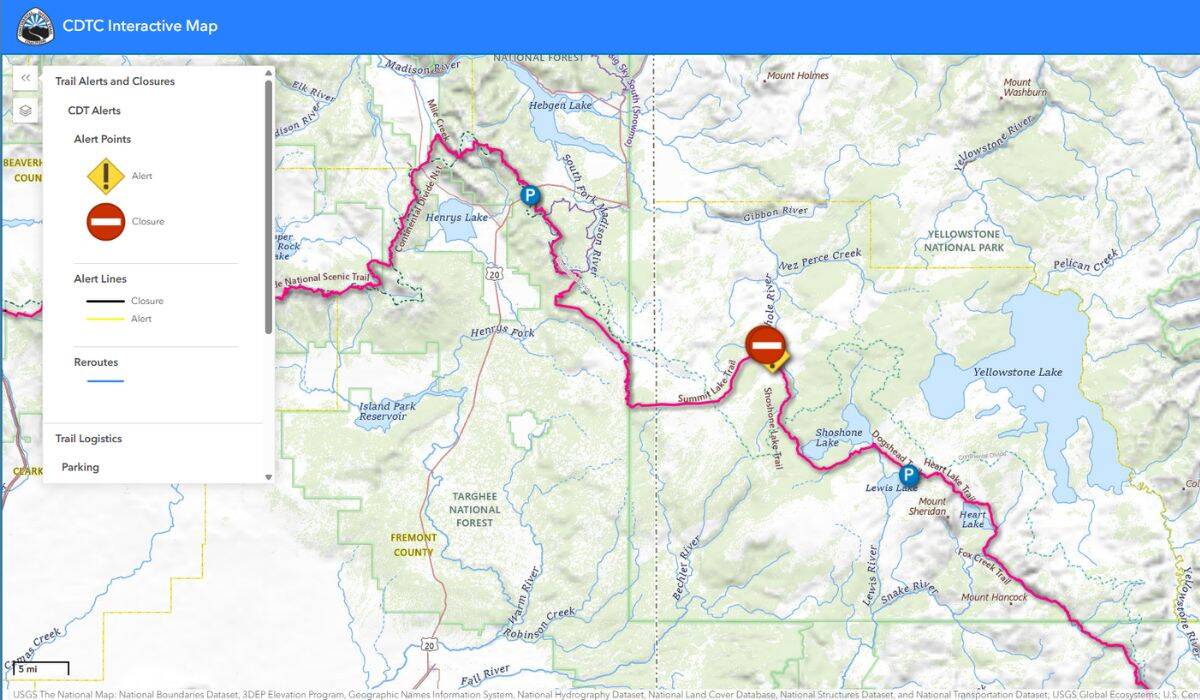
The CDTC Interactive Map shows real-time trail alerts, closures, and reroutes — a backup navigation tool every hiker should bookmark.
7. Navigation: Your Phone is a Single Point of Failure
While apps like FarOut are the go-to navigation tool for most thru-hikers, they represent a single point of failure. In a recent poll of 50 hikers at the southern terminus, Danny Knoll found that only two were carrying paper maps.
That’s a dangerous trend. We’ve seen app updates and server glitches wipe out trail data for days, leaving hikers without critical information. We strongly recommend building redundancy into your navigation kit:
- Backup Apps: Download a backup app like Onyx Backcountry or Gaia GPS for land ownership layers — essential for navigating around fires or avoiding private property.
- Paper Maps and a Compass: These are non-negotiable safety tools. They don’t require a battery and they don’t glitch. You can find high-quality CDT maps available for download on the CDTC website.
- Pre-Download: Ensure all maps are available offline before you lose service.
Looking Ahead: The Living Trail
The season officially kicks off with Continental Divide Trail Days 2026 in Silver City, New Mexico, from April 23–26. It’s the ultimate hiker reunion, featuring a Friday night buffet at Toad Creek Brewery, gear raffles, and the annual class photo. We’re arranging a free shuttle between Lordsburg and Silver City on Friday and Saturday, with camping available onsite.
For those taking the official terminus shuttle, keep an eye out for your free Holy Hiker backcountry bidet — a classic dirtbag essential that makes Leave No Trace a whole lot easier.
The CDT is evolving through political shifts and environmental challenges, and so is what it means to walk it. This year, you’re not just a trail user — you’re a trail steward. As you walk the Divide, ask yourself: how will I protect the trail that makes this adventure possible?