
Advocacy For The CDT
The Continental Divide Trail Is A Congressionally-Designated National Scenic Trail
The CDT traverses some of the most sensitive and diverse landscape in the world. Advocacy for the CDT secures trail funding and resources, preserves the CDT Experience, and helps to complete the trail.
How We Advocate For The CDT
From local communities to the halls of Congress, we are committed to representing the CDT and the interests of Continental Divide communities at every level.
Where Do We Focus Our Work?
Learn about what CDTC is doing to protect and complete the CDT- and how you can get involved!
What’s New In Trail Policy?
Big things are happening with the CDT! Keep up on current legislation here.
CDT Action Center
Your one-stop page for staying current on legislative issues that affect the CDT and finding ways to take action for the trails.
Approaching Advocacy At Every Level
The CDT provides a setting for community members, decision-makers, conservationists, outdoor enthusiasts, and everyone connected to the lands and waters of the Divide, to come together to discuss how to steward the vital natural, cultural, and historic resources found across its entirety.
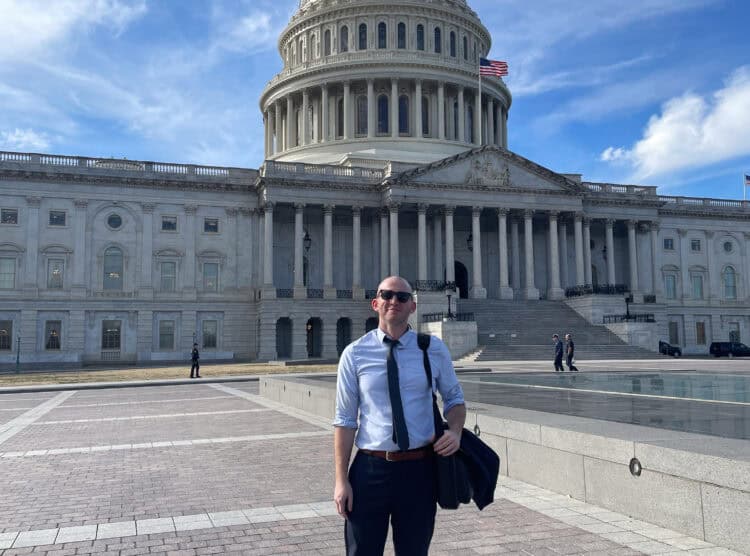
Hike The Hill
Participating in Hike the Hill® with the American Hiking Society and the Partnership for the National Trails System
This event brings together the trail community to advance shared priorities in trail funding, public lands management and conservation, equitable access, and more.
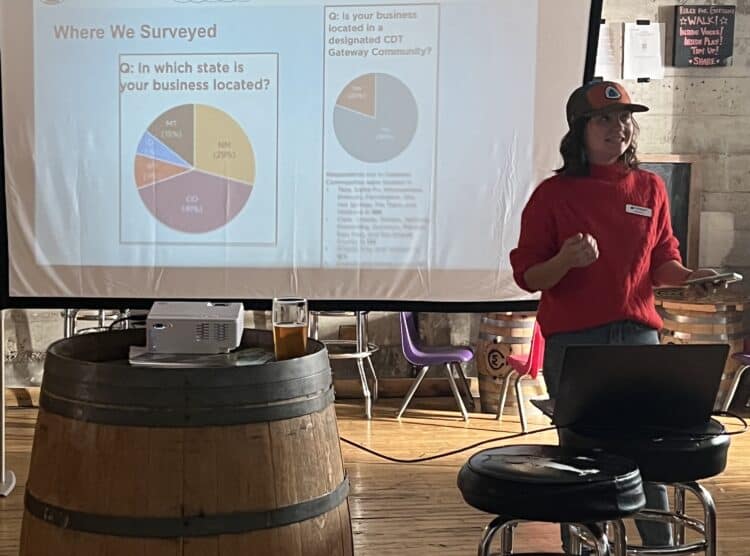
Education & Storytelling
Working year-round to stay in contact with leaders at every level
From town halls to Chamber of Commerce meetings, to rulemaking comments, to Senate committee testimony, no forum is too small or too large for CDTC to make our community’s voice heard.
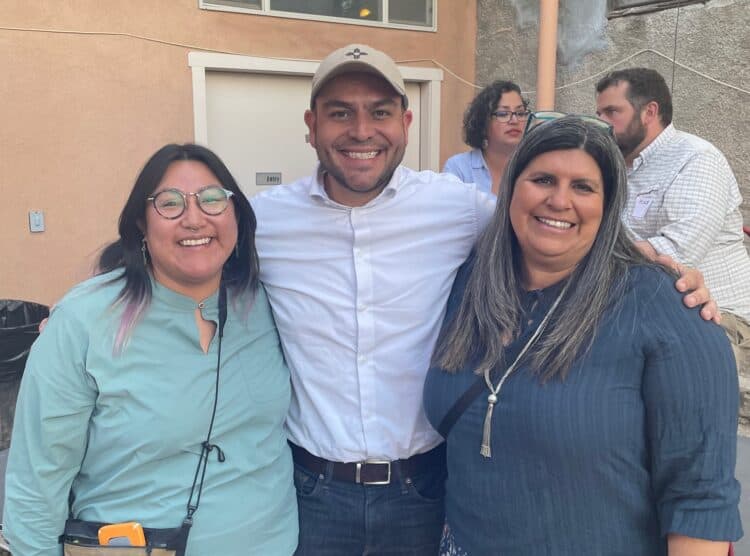
Place-Based Visits
Meeting with decision-makers on the trail and in communities
Hearing from people on the ground and seeing the impact of the CDT firsthand is the best way to educate leaders on the challenges our community faces and the shared solutions we hope to work on together!
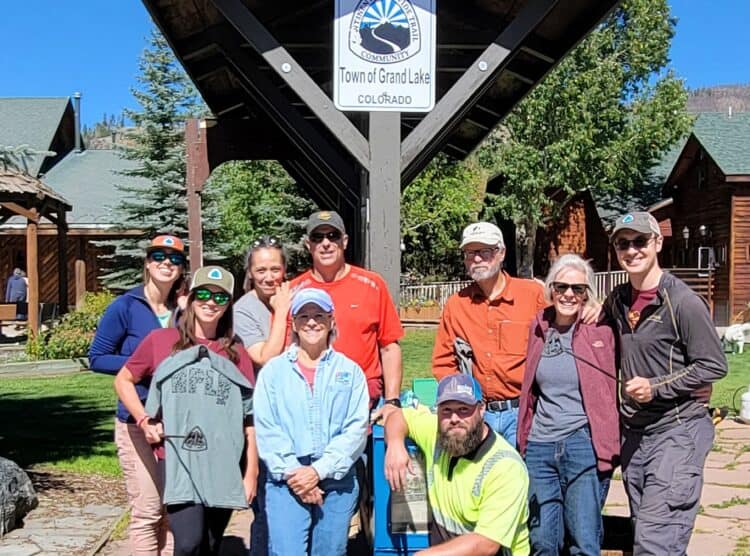
Coalition Work
Elevating the CDT community’s voice
CDTC contributes to coalitions that focus on the America the Beautiful initiative and large landscape protections, outdoor access and equity programs, and conversations to improve the completion, connectivity, and impact of the CDT.
Join Us In Using Your Voice To Help Sustain A Healthy Divide Landscape For The CDT And Rocky Mountain Communities!
Alerts typically go out once a month or less, and highlight the major policy and pieces of legislation impacting the CDT. Advocacy alerts are also the best way to find out about ways to join CDTC in advocating for the CDT through virtual fly-ins with decision makers, contacting Congressional offices, and more!
Trail Stewardship & Completion
- CDTC works with agency partners, community leaders, and other trail organizations to seek annual funding through state and federal legislation for trail construction and maintenance, infrastructure, agency staffing, and other priorities that impact how our public lands are managed.
- We build relationships with local, state, Tribal, and federal leaders, including members of Congress, to collaborate on trail priorities and identify opportunities for education, partnership, and delivering on projects that are important to our trail community.
- Learn more about our current work and the CDT Completion Act.
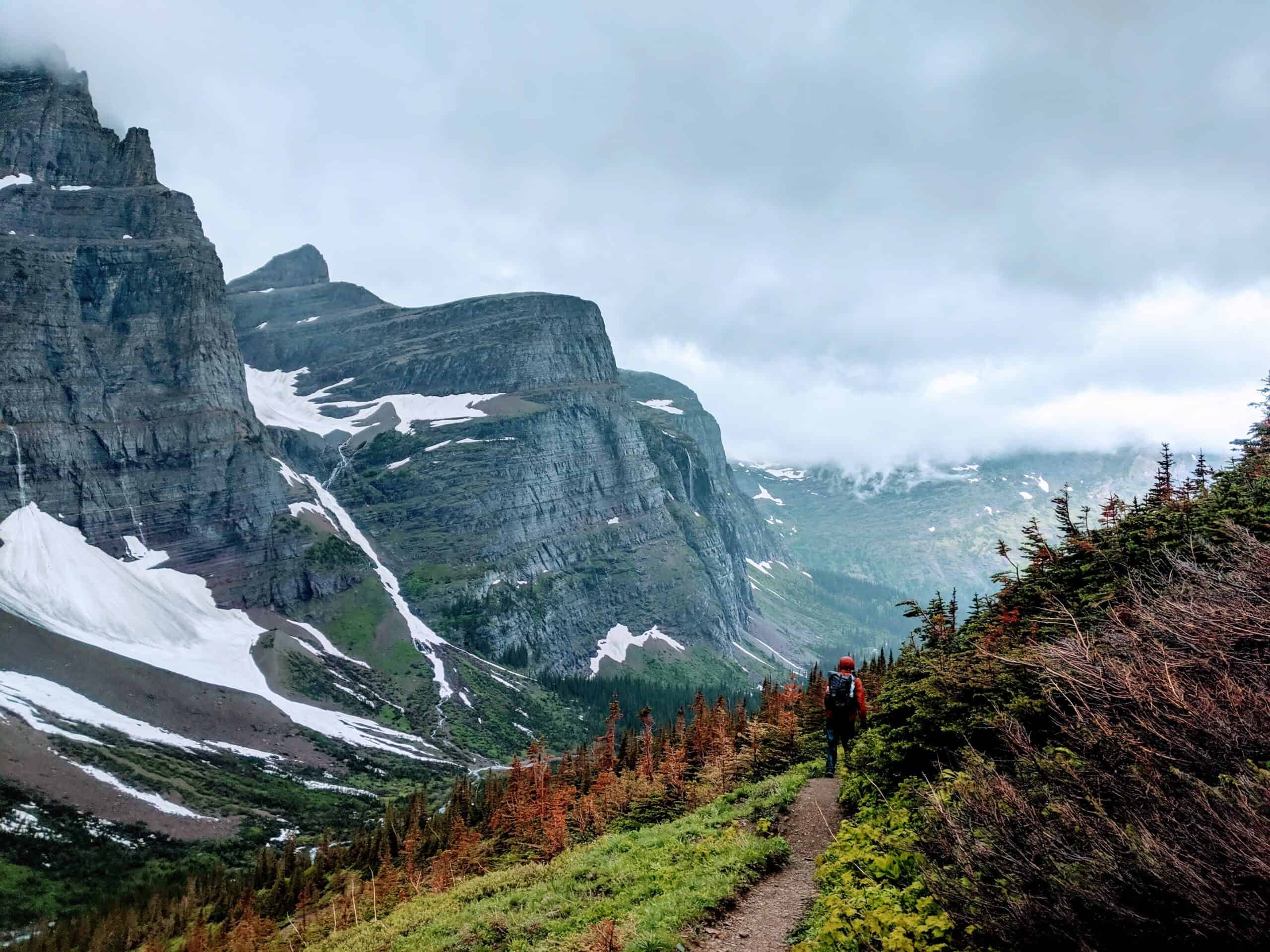
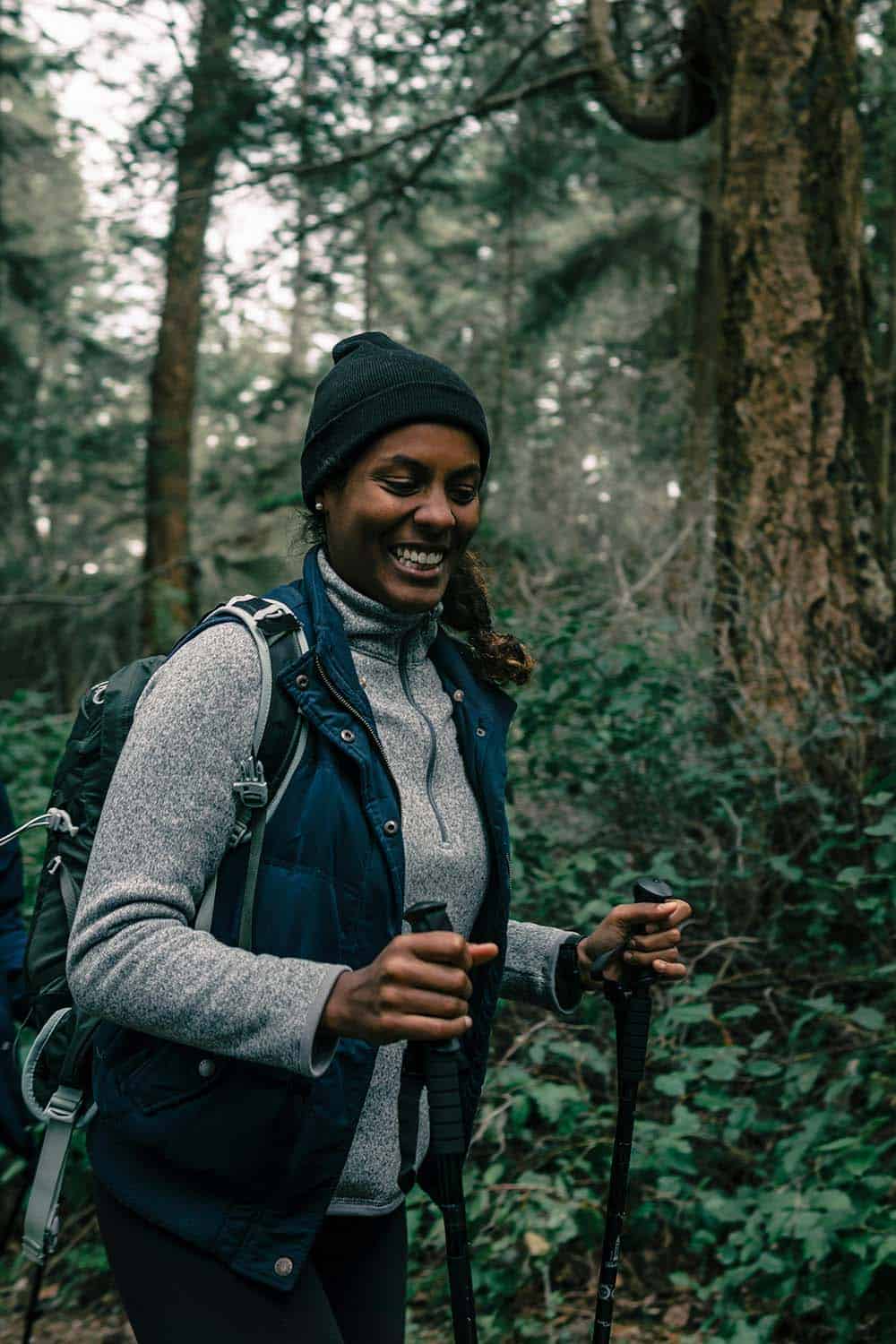
Building Community & Connections
- CDTC engages a wide audience of volunteers, supporters, and partners in an ongoing process that informs the wide range of our advocacy priorities – from local sidewalks projects to National Monument designations. The strength of CDTC’s advocacy relies on the diversity of perspectives in our trail community and how those voices champion community-led efforts.
- More than a resource for outdoor recreation, the holistic benefits of the trail include economic prosperity for Divide communities, increased public health from time in open spaces, social connections through community events, and so much more. CDTC works with local leaders and CDT enthusiasts to educate decision-makers that investing in the trail is investing in a community’s well-being.
- Historically, the benefits of public lands and waters have been denied to many communities, particularly Indigenous, Black, Latinx, and other communities of color, the LGBTQIA2S+ community, and the disability community. CDTC works with leaders and advocates to push for more policy changes and legislative solutions to ensure a future on the CDT that is more inclusive and representative of people of all backgrounds, experience levels, abilities, and perspectives.
- Learn more about our current work: The Colorado Outdoor Equity Grant Program, The Outdoor FUTURE Initiative, and the Small Business Survey
Landscape & Watershed Protections
- Protections for the CDT do not just happen on the foot-wide tread but encompass the trail corridor, the Divide landscape, and the many interconnected systems that sustain the CDT. Connectivity of the Divide increases the resilience and vitality of the landscape, and CDTC works with all our partners to identify where large landscape protections through tools like National Forest and Resouce Management Planning, mineral withdraws, and designations like Wilderness and National Monument status can optimize the CDT Experience.
- As the major watershed of the North American continent, the Continental Divide is a resource that all our communities depend on – from the desert towns of Southern New Mexico to the ranching communities of the Rocky Mountain Front in Montana. We work alongside partners, community members, and decision-makers to help ensure this resource is equitably accessible and beneficial for all who live in the landscape that the trail traverses.
- Learn more about our current work: the designation of Camp Hale – Continental Divide National Monument, the Lemhi Pass mineral withdrawal, the Thompson Divide mineral withdrawal, the Chaco Canyon mineral withdrawal

What We’ve Been Working On
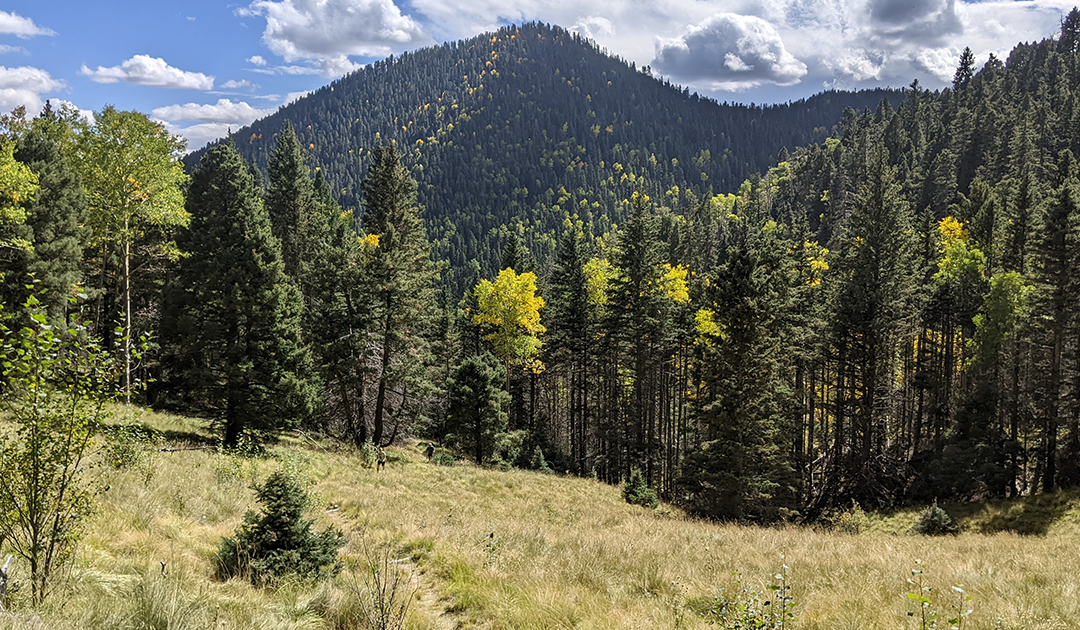
More Mining, More Problems for America’s Scenic Trails
“Projects like the Roca Mine are the latest in a string of efforts to fast-track projects with the potential to have extensive and disproportionate impacts to local resources and communities, including our trails,” …
Roadless Rule Under Attack
Last week, the U.S. Forest Service released its final plan to repeal the Roadless Rule, undoing protections for over 45 million acres of wilderness lands.
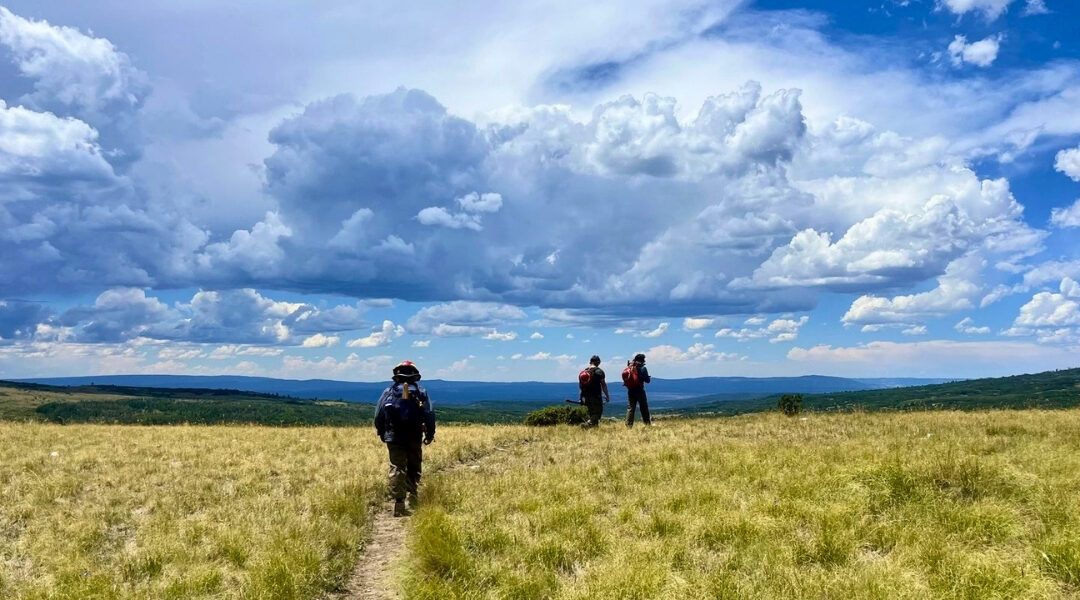
Cows, Chainsaws, and Storms: GAOA Crew Report from Carson National Forest
Our GAOA trail crew cleared 50 downed trees across eight miles of the CDT south of Canjilon Lakes, dodging monsoon lightning and curious cattle along the way.
CDTC Resources
- Congressional Reports (2021, 2022, 2023, 2024, 2025)
- Connecting Across the Continent Report
- Small Business Survey (2019, 2022, 2024)
- Find your representative! CDT Congressional Maps (2023)
- Webinars
- Mountaintop to Mainstreet: The Economic Impact of the CDT
- Connecting Across the Continent: How the CDT Activates the America the Beautiful Intiative
- CDT Completion Act one-pager (updated 2023)