
A Weekend in the Life of a Regional Rep
By Jordan Williams, CDTC
Often when I talk to people about the Continental Divide Trail Coalition (CDTC), their first question is, “What do you all do? Like maintain the trail and stuff?” Certainly, trail stewardship is a huge part of our organization. But like the Trail itself, there is so much more to CDTC than just the 18–24 inches of dirt and rock underneath someone’s feet as they travel from Mexico to Canada.
As the Colorado Regional Representative, I have the privilege of working across all of CDTC’s programs, so I feel uniquely positioned to see how everything intersects in the state. Sometimes those intersections take place physically out in nature, and sometimes they come together through my computer screen during a myriad of Zoom meetings and planning sessions. During the “busy” season between May–September in Colorado, I’m lucky to travel frequently to community events and trail-focused projects. It was during one of these road trips in August that everything sort of came together, and I had a eureka moment: what I was experiencing was really a microcosm of what CDTC does.
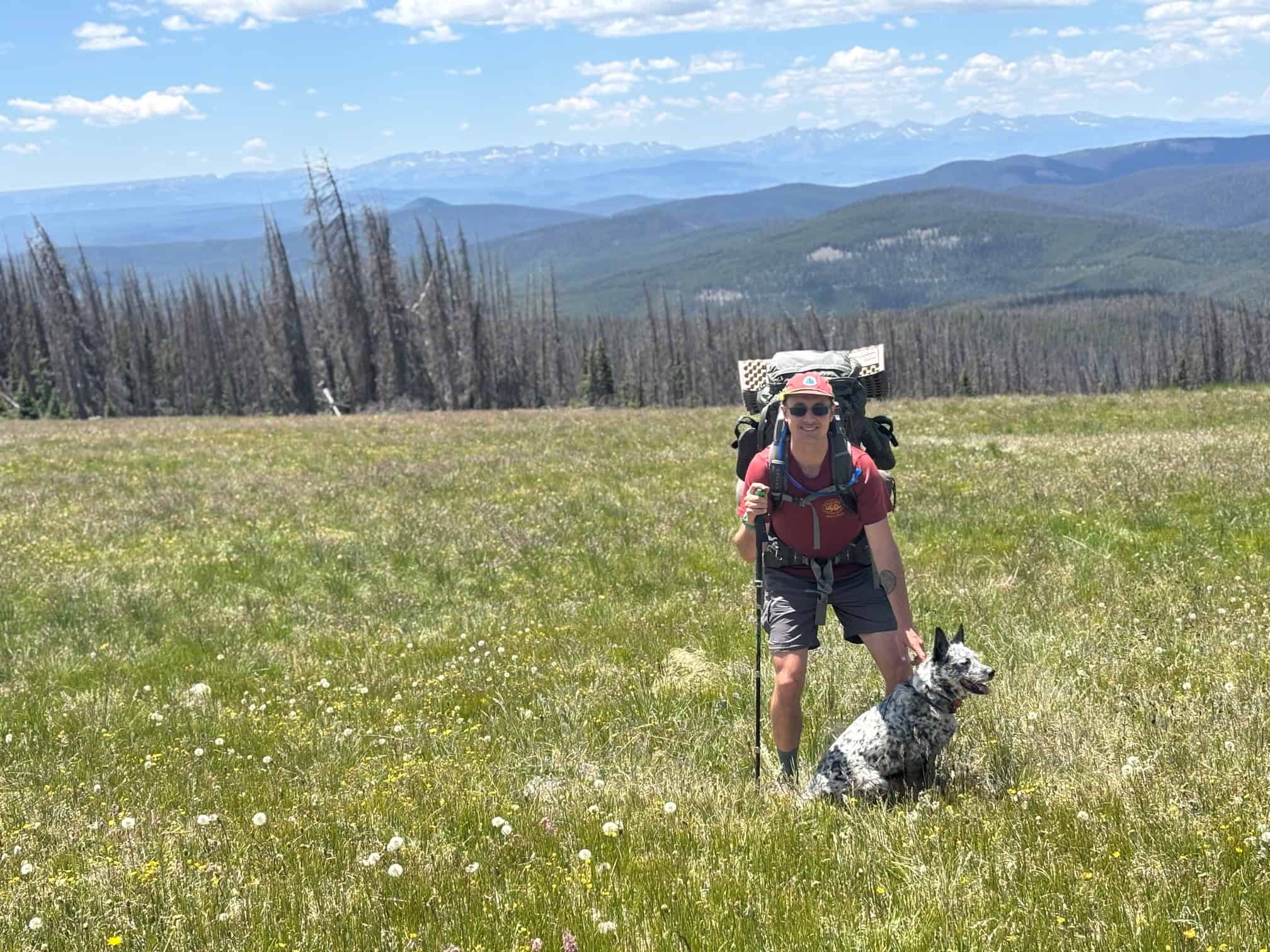
Photo of CDTC CRR Jordan and his dog Aska hiking along the Continental Divide Trail with the San Juan Mountains in the background
A Colorado weekend that captured it all
The trip started early on an August Friday, when I left Fort Collins and gathered supplies at the office in Golden before heading up the always-dreaded I-70 corridor toward Summit County for a busy weekend of events. After a quick stop at the lower Grays–Torreys Trailhead to assess trash and campsite conditions for a future stewardship opportunity, I continued on to Breckenridge.
Thankfully, it was a rare hassle-free drive to Summit County, where I met with Lizzie Morrison from Friends of the Dillon Ranger District (FDRD), a key nonprofit partner that helps maintain the CDT and Colorado Trail with the Forest Service. Their support is essential, especially in areas such as the Camp Hale–Continental Divide National Monument within the White River National Forest, which has faced significant budget and staffing cuts. We’re lucky to be planning future volunteer projects with FDRD to bolster trail maintenance and public engagement. While in town, I also caught up with some longtime trail adopters whose work on the rugged Argentine Spine section—and advocacy for improved facilities—reflects the invaluable contributions of local stewards along the CDT.
Stewardship with partners on the ground
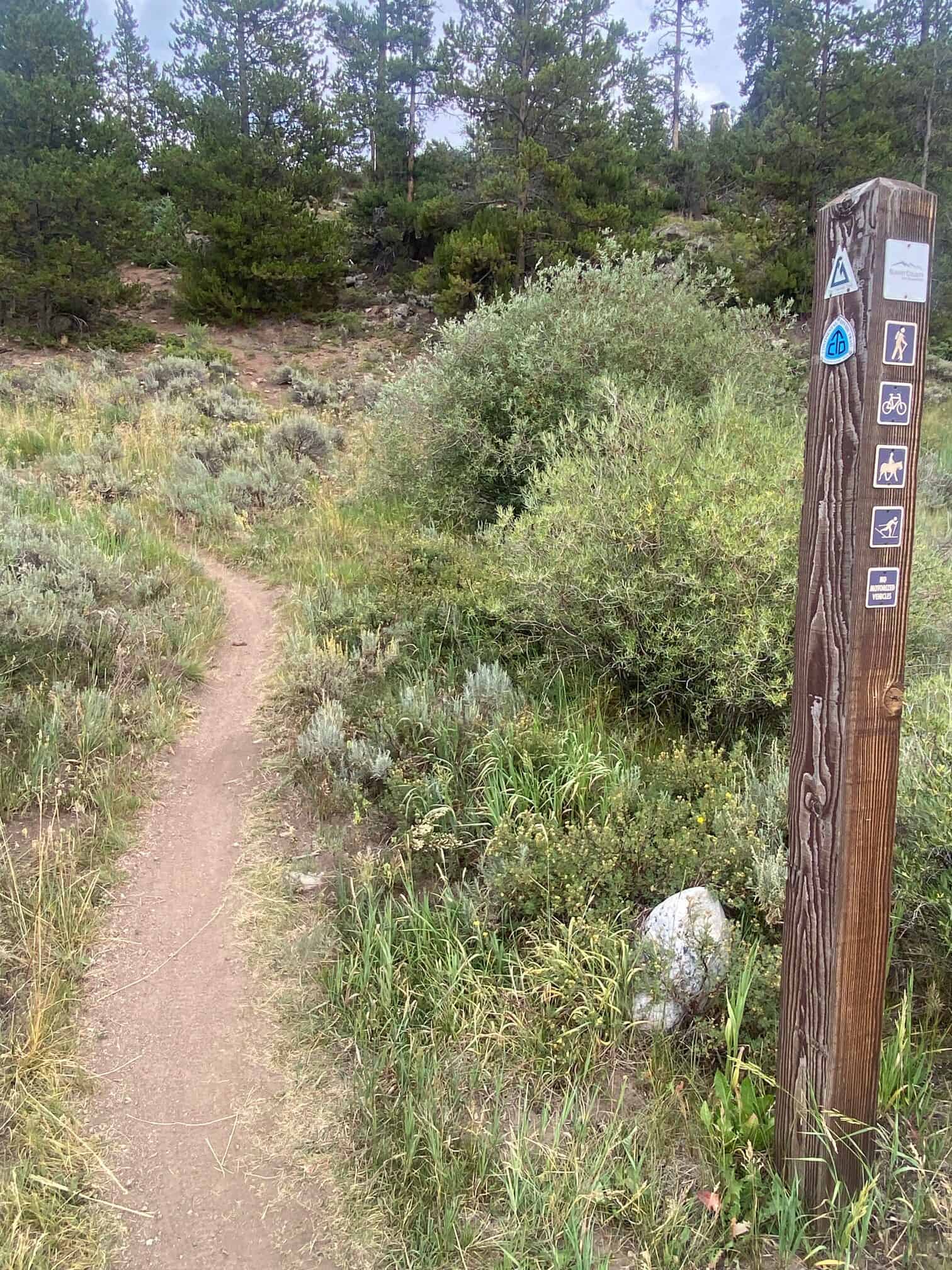
After installing some updated CDT blazes at a high-profile trail intersection (thanks, Winchester Fund!), I had to gear up for a one-day volunteer project with the Colorado Trail Foundation (CTF) on Saturday at Copper Mountain. The CDT goes right through several ski resorts in Colorado, including Copper, Monarch, and Wolf Creek. Summit County sections see some of the highest use across all five states and 3,000+ miles of the CDT. With all the races, adventure seekers, day trippers, and mountain bikers, the trail through Copper Mountain needed basic maintenance to existing drains, as well as corridor clearing so people stay on the actual path—which helps mitigate additional resource damage off-trail.
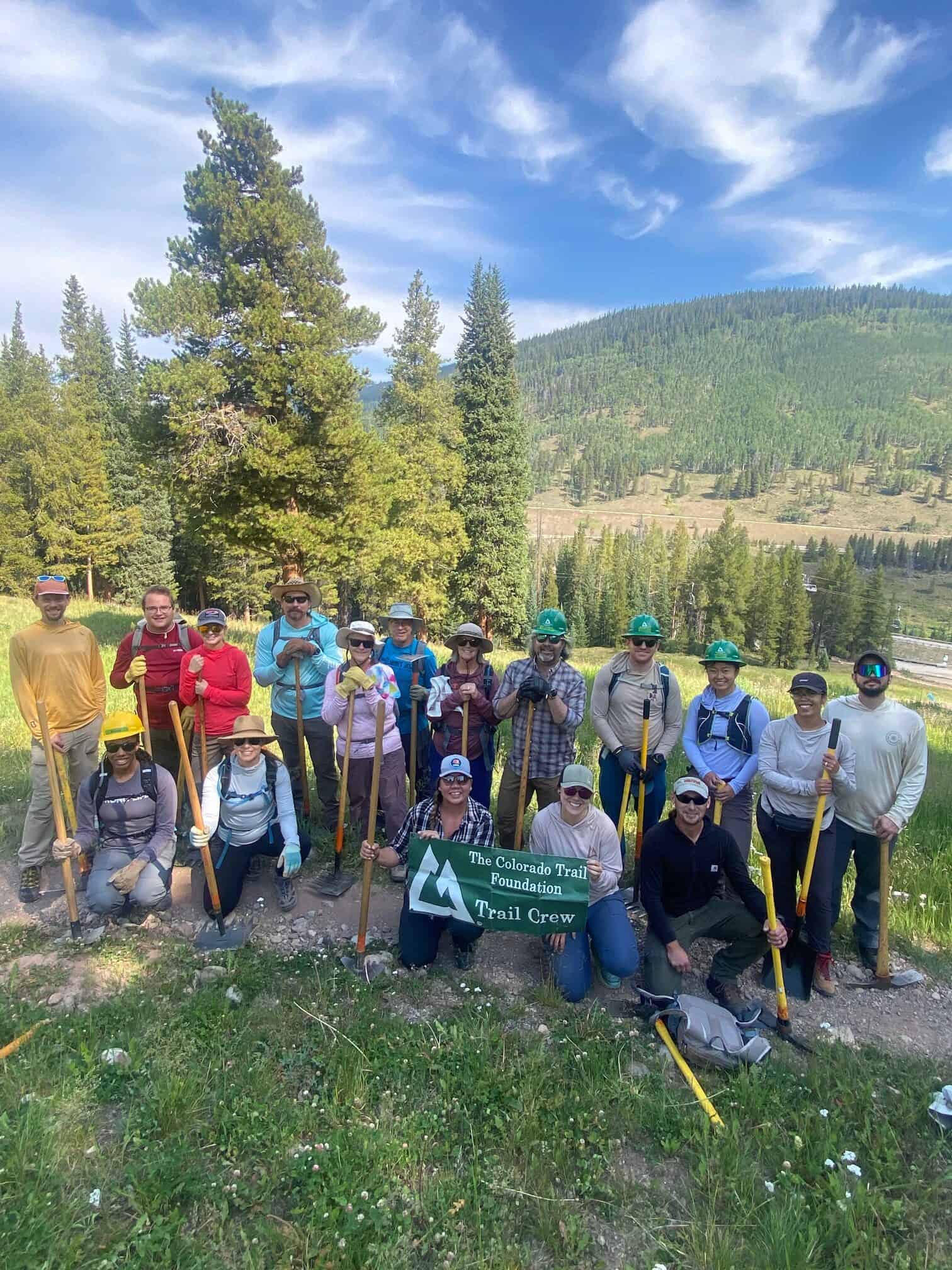
Thankfully, CTF put together a solid volunteer group of 20+ folks to complement support from USFS Dillon Ranger District staff. There was a great mix of long-time volunteers and folks who were completely new to the world of trail maintenance. The learning and impact of volunteer projects can never be underestimated. And many folks can only afford to attend a one- or two-day project due to their busy schedules, so it’s important to keep these experiences accessible.
In just one day, the volunteers were able to clear 7,250 feet of trail corridor, clean 51 drains, close approximately 200 feet of social trails, remove five trees from along the trail corridor, and install one new sign. CDTC is so thankful for all the volunteer support—as well as organizations like CTF that oversee so many miles of the CDT in Colorado alongside our land manager partners. It really is cooperative stewardship at work!
Keeping trail information accurate
While I was at Copper Mountain, I also wanted to scope out the trail detour the ski resort had instituted during the summer while performing maintenance on the ski runs. By working to verify the exact path of the CDT/CT through the area for our trail maps and Planning Guide, CDTC is able to provide accurate trail information to visitors throughout the season.
This information benefits thru-hikers and other trail users who register their hikes with us, because they receive emails and text notifications when conditions change on the ground through closures, wildfire alerts, and other events. For many adventurers out there, CDTC’s maps and resources may be their first connection to the organization, so it’s important for us to be accurate and responsive to the needs of our community and partners.
Gateway Communities: where the Trail meets town
The following day I geared up to leave the hustle and bustle of Summit County for the quiet respite of Hinsdale County and Lake City—one of the most remote counties in the lower 48, with a population of around 800 people.
Of course, in the summer months, as a designated Gateway Community for the CDT, Lake City hosts thousands of hikers who leave the trail to resupply in town, nestled in the beautiful San Juan Mountains just south of Lake San Cristobal. While I was there, I had the opportunity to meet with local businesses who graciously support CDTC through donations for our silent auction and contribute to our business partner program.
I also got to connect with Gateway Community advocates who work on important policy initiatives such as the bipartisan Gunnison Outdoor Resources Protection Act and the Land and Water Conservation Fund. With 96% public land in Hinsdale County, access to outdoor recreation—while also conserving the landscape for future generations—is the one thing that threads everyone together.
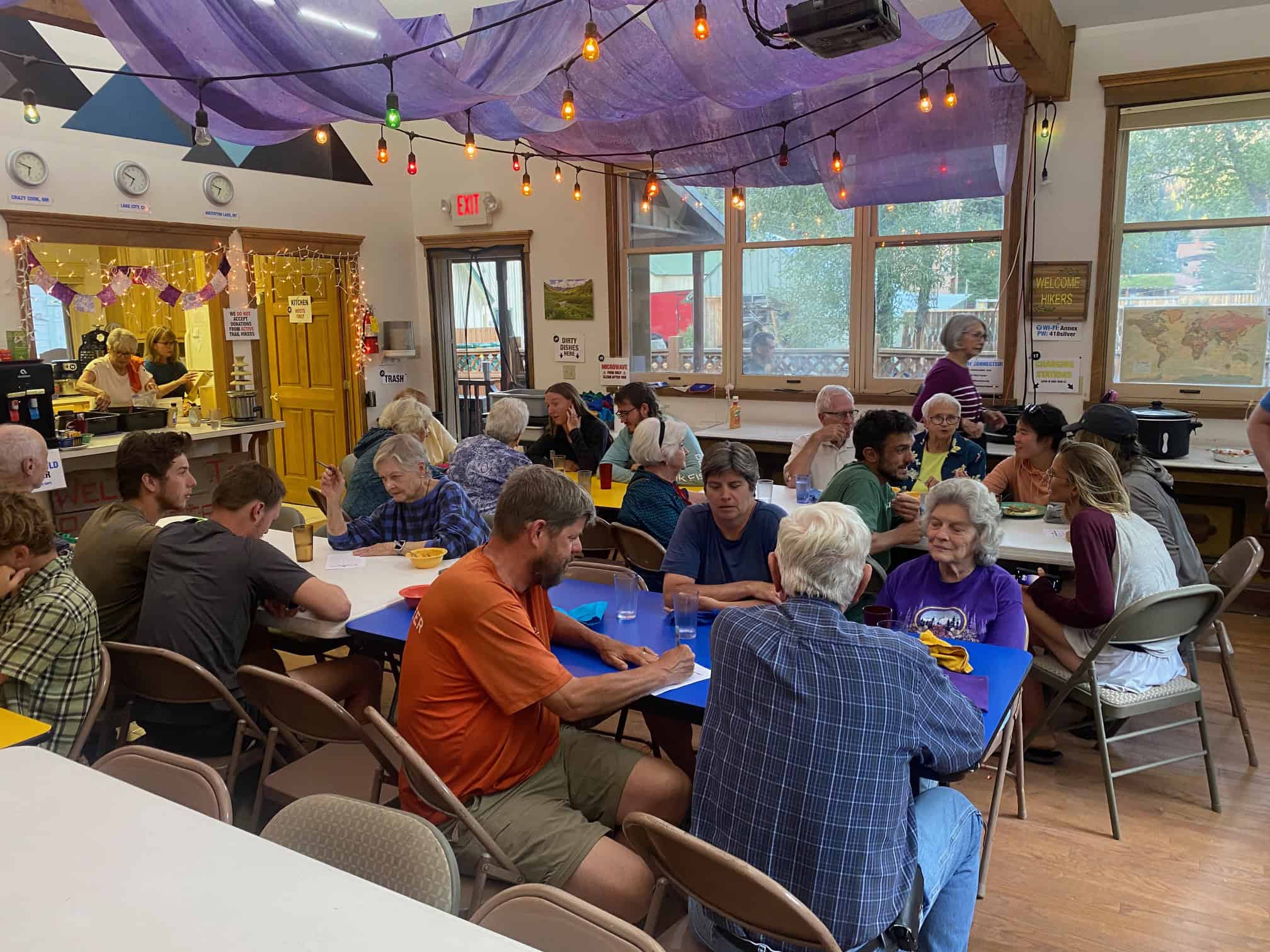
Most of the signature Lake City community programs for trail users and visitors are now run in coordination with the Lake City Trail Hiker Center, which includes a volunteer shuttle up to the CDT/CT at Spring Creek Pass at least once a day during the summer to pick up and drop off hikers.
Additionally, for eight Sundays each summer, the Hiker Center hosts a trail-famous, free community dinner potluck that draws anywhere from 25–50 hikers every weekend—and even more community members. On this particular Sunday when I visited, the local volunteers and hikers were in for something special: a Lake City-themed edition of Continental Divide Trail Trivia with prizes for participants!
These types of community outreach and education programs are key for CDTC, as they help increase awareness and understanding of the significance of National Scenic Trails and their economic impact in local communities.
Completing and protecting the CDT for the long haul
After an awesome night staying at the newly opened Hangout Hostel in Lake City, I hit the road back to the Front Range and made a couple stops along the way—including one at the new trail alignment at Monarch Mountain.
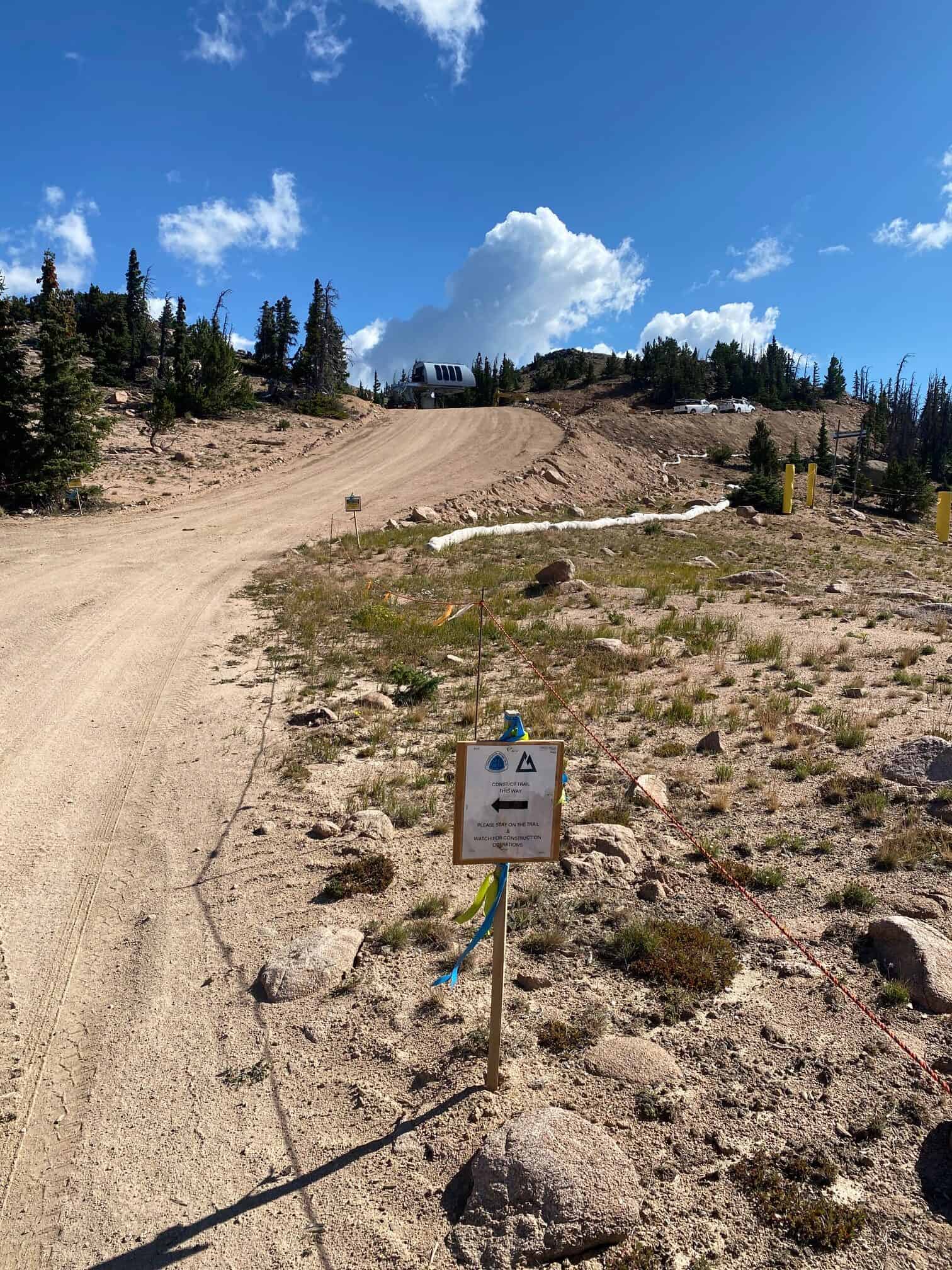
Recent construction in No Name Basin required rerouting the CDT/CT around a new ski lift and sensitive cultural sites along the Continental Divide—remnants that highlight the landscape’s millennia-long significance to Indigenous communities. I visited this section to assess the new reroute and gather information for our optimal location review of the Monarch Crest north section.
A future reroute here could enhance scenery and user experience, especially given the southern section’s popularity, with over 30,000 users annually on Monarch Crest.
While 160 miles of the CDT remain major gaps along paved highways, many additional minor gaps also need rerouting to ensure the Trail’s long-term completion and protection.
Bringing it all together
As I finally drove home, I found myself reflecting on the last couple of days. I realized that during my trip, I had touched on just about all of CDTC’s programs…
- Supporting volunteer trail work and field operations;
- Coordinating with partner groups and land managers on cooperative stewardship of the trail corridor;
- Providing accurate and timely trail information to the public;
- Helping complete and protect the Trail by filling in its many gaps and missing links;
- Engaging with communities through outreach materials, educational programs, and advocacy initiatives;
- And, of course, looking for creative ways to fund all this important work.
And it makes you think, “Wow, we do a lot more than just ‘trail stuff.’”
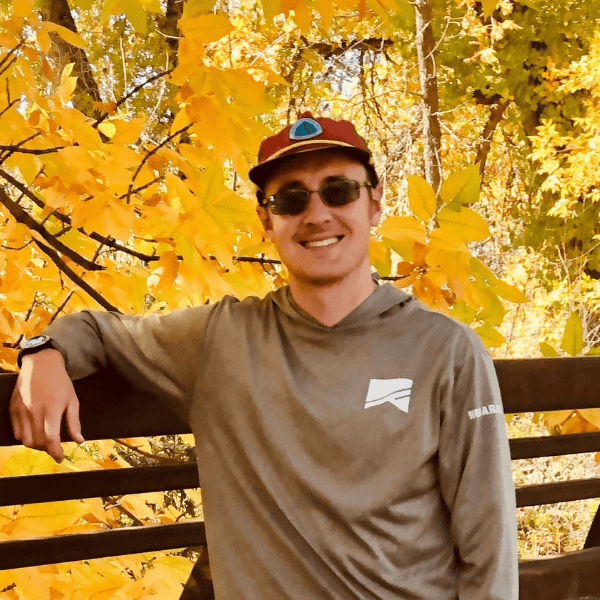
Jordan Williams
CDTC CO Regional Representative