
Every year, countless travelers set out on a Continental Divide Trail (CDT) journey. Whether hiking the length of the CDT border to border or just out for the day, the CDT stretches over 3,000 miles along the Continental Divide through some of America’s most remote and wild landscapes. From high-alpine ‘gardens’ to the open desert expanses, the Continental Divide landscapes are the origin of water for tens of millions of people, a contiguous migration corridor for creatures great and small, and a cross-continental footpath for adventurous travelers attempting to traverse the entire CDT.
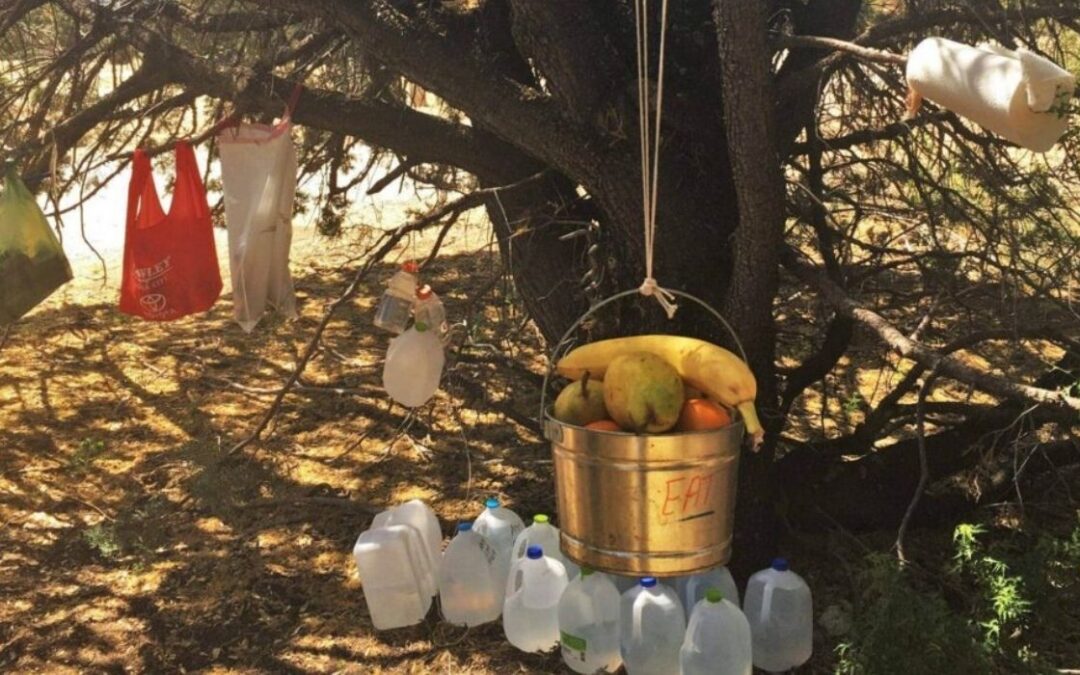
As part of our “Love the Trail—Leave No Trace” campaign, we’re looking at how we can support these incredible journeys through “Trail Magic”—acts of kindness like offering rides, food, or water—without accidentally harming the trail or the hiker’s experience.
Being a “Trail Angel” is about spreading generosity, but the best magic is often the kind that leaves no trace behind. Here is how you can provide low-impact kindness this season.
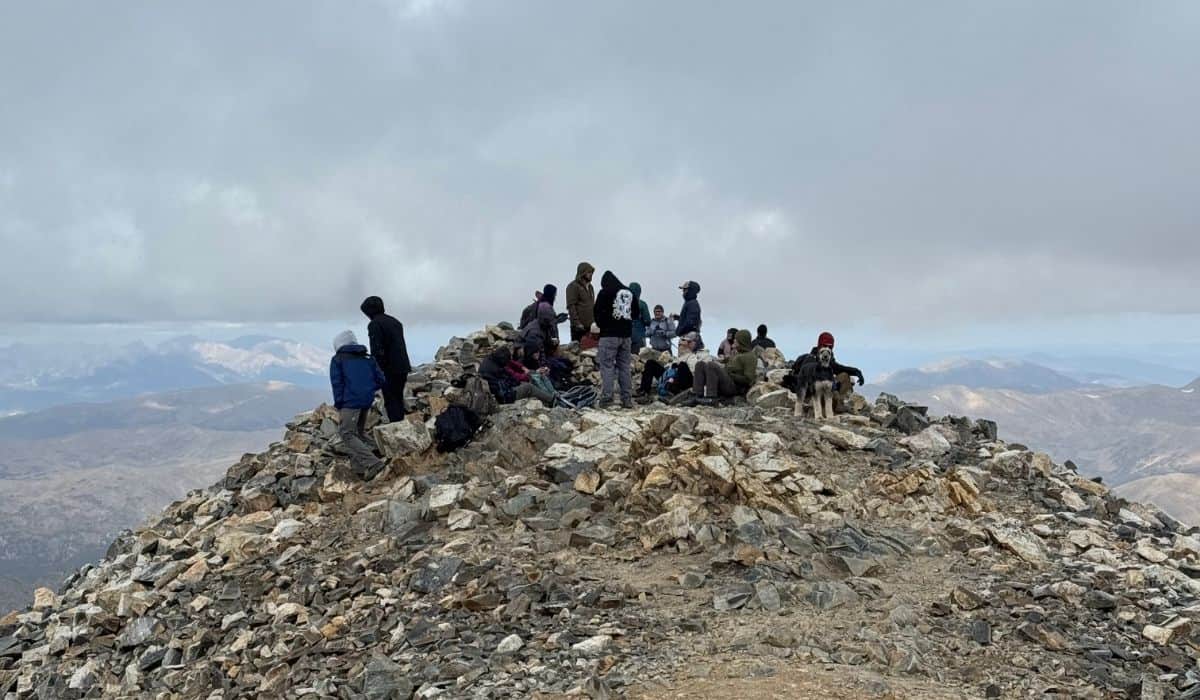
Avoid crowded sections of the CDT, like the summit of Grays Peak.
1. Keep it Small and Contained
While having a tramily (trail+family) can offer camaraderie and support, large gatherings can affect the solitary experience other hikers seek and can easily trample sensitive plant and wildlife habitats.
- Stick to developed areas: If you offer food or water, stay in areas like trailheads or front-country campgrounds.
- Choose durable surfaces: Set up on paved or graveled areas to avoid damaging the ground.
- Be a good neighbor: Minimize noise and manage your setup so it doesn’t encroach on families or other visitors enjoying the outdoors.
In many cases, a smaller footprint can lead to more opportunities for conversation and meaningful engagement with hikers, which is of value in and of itself.
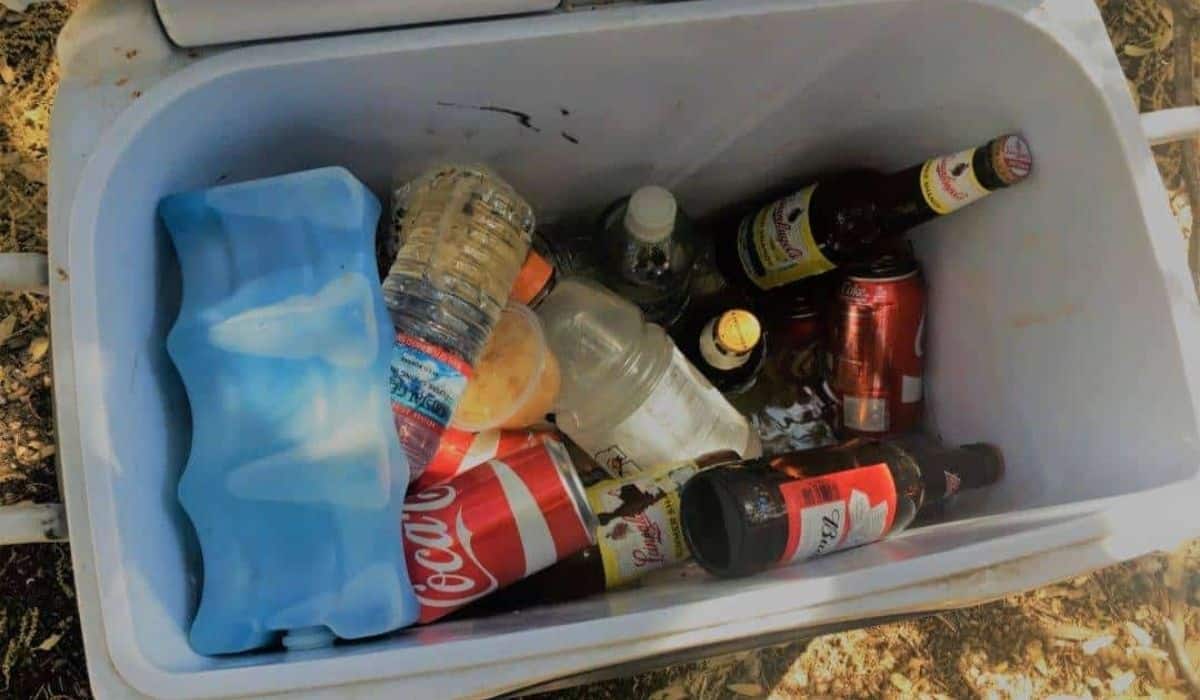
Well-intentioned drink caches like this can quickly create wildlife conflict.
2. Protect Wildlife: Never Leave Food or Drinks Unattended
One of the most important ways to “Love the Trail” is to keep wildlife wild. Unattended or discarded food, beverages, or trash can lead animals to associate humans with a meal. In some places (like national parks), leaving behind property may pose a risk of tickets and fines. Here are some things to consider:
- Bear Awareness: While grizzlies are in the north, black bears live in every CDT state. Any drink other than water is a bear attractant. All potential attractants should be stored in a bear-safe manner to protect both people and wildlife.
- Prevent Habituation: Animals that become habituated to human food often have to be relocated or killed by land managers to ensure public safety.
- Pack it out: Unattended items quickly become trash that someone else has to clean up. The sight of abandoned jugs can normalize littering among others, compounding the problem as time goes on.
If you’re unable to stay with your trail magic food and beverages in the field, consider working with another Trail Magic to help supply them, or reach out to a local business or community organization who may have resources or alternative ways to get your gifts to local hikers.
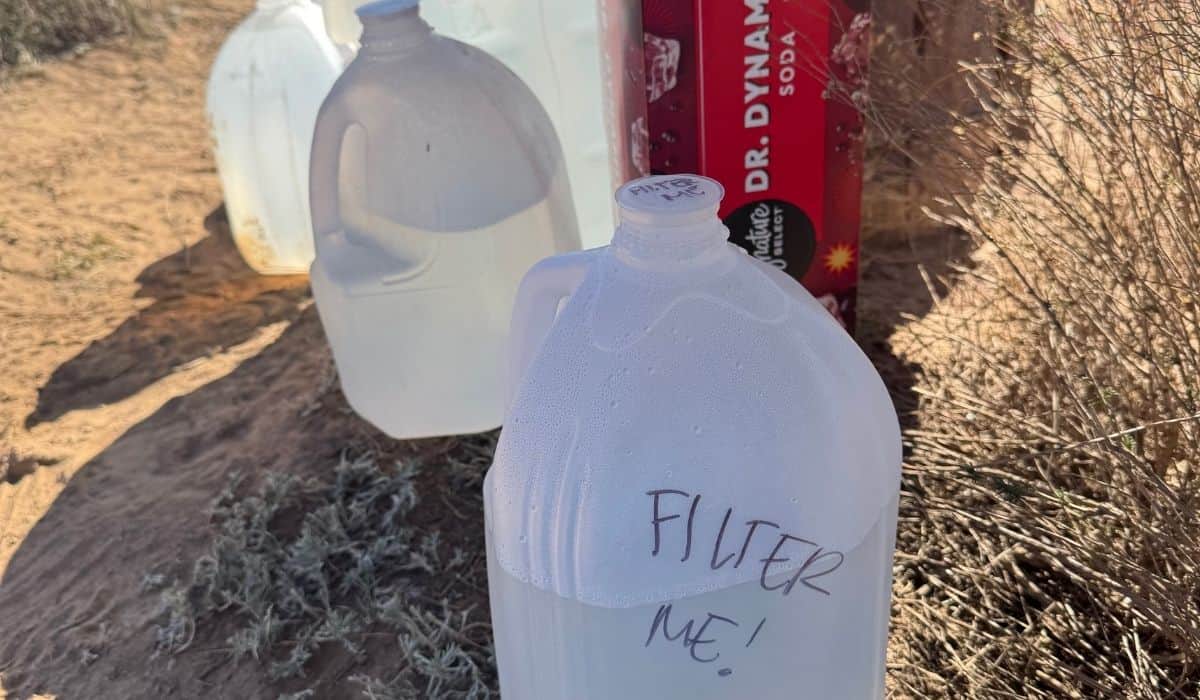
Water jugs tend to accumulate over time and become litter that must be packed out.
3. Support Hikers, Local Communities, and the Trail
Actions with good intentions can have unintended consequences both on and off the trail. Thoughtful Trail Magic supports thru-hikers while also strengthening the bond between the trail and the towns that host it. Here’s a few ways to ensure your magic fills everyone’s cup:
- Rethink Caching: Relying on unofficial water caches can be risky for hikers if those supplies run out or go missing, with empty jugs and containers that must be packed out. To ensure hiker safety and keep the landscape pristine, consider providing “active” magic—like a cold drink handed out in person—rather than leaving items behind that become litter.
- Fuel the Local Economy: One of the best ways to support a hiker is to help them reach a CDT Gateway Community. Offering a ride to town allows hikers to resupply at local shops and enjoy a hot meal at a local diner. This boosts the entrepreneurs who support the trail and keeps the CDT’s economic impact right where it’s needed most. Check with your insurance provider and local/state regulations in your area beforehand.
- Invest in the Future: If you want to make a lasting impact, consider channeling your “Trail Angel” energy into trail maintenance or stewardship. The trail exists because of the hands that build and protect it; donating your time or resources to trail projects ensures the CDT remains a world-class destination for generations to come.
With a bit of planning, creative thinking, and collaboration, every Trail Angle can create trail magic that supports the entire CDT ecosystem: hikers, wildlife, gateway communities, and the volunteers who build and maintain the trail for the future.

Take the Next Step: Become a Backcountry LNT Expert
The best way to support the CDT is to understand the principles that keep it wild. As part of our “Love the Trail” campaign, we are encouraging all trail enthusiasts to take the Leave No Trace Backcountry 101 online course. It’s free, and if you submit your certificate on our website between Feb 14 and March 14, you’ll be entered to win our ultimate gear giveaway!
Take the LNT Course | Register Your CDT Hike | Submit Your Certificate
Additional Resources
Continue building your Leave No Trace skills and knowledge with these CDT-specific resources: